
Educational Goals by Year
Freshman (Semester 2)
Identify
Ability to think independently and identify problems
Sophomore (Semester 3)
Design
Ability to design research to explore problems and potential solutions
Sophomore (Semester 4)
Develop
Ability to develop one's own original approach to problem-solving
Junior (Semester 5)
Apply
Ability to apply disciplinary knowledge for advanced problem-solving
Junior (Semester 6)
Present
Ability to present well-developed solutions in a complete and structured form
How a Civic Project Unfolds
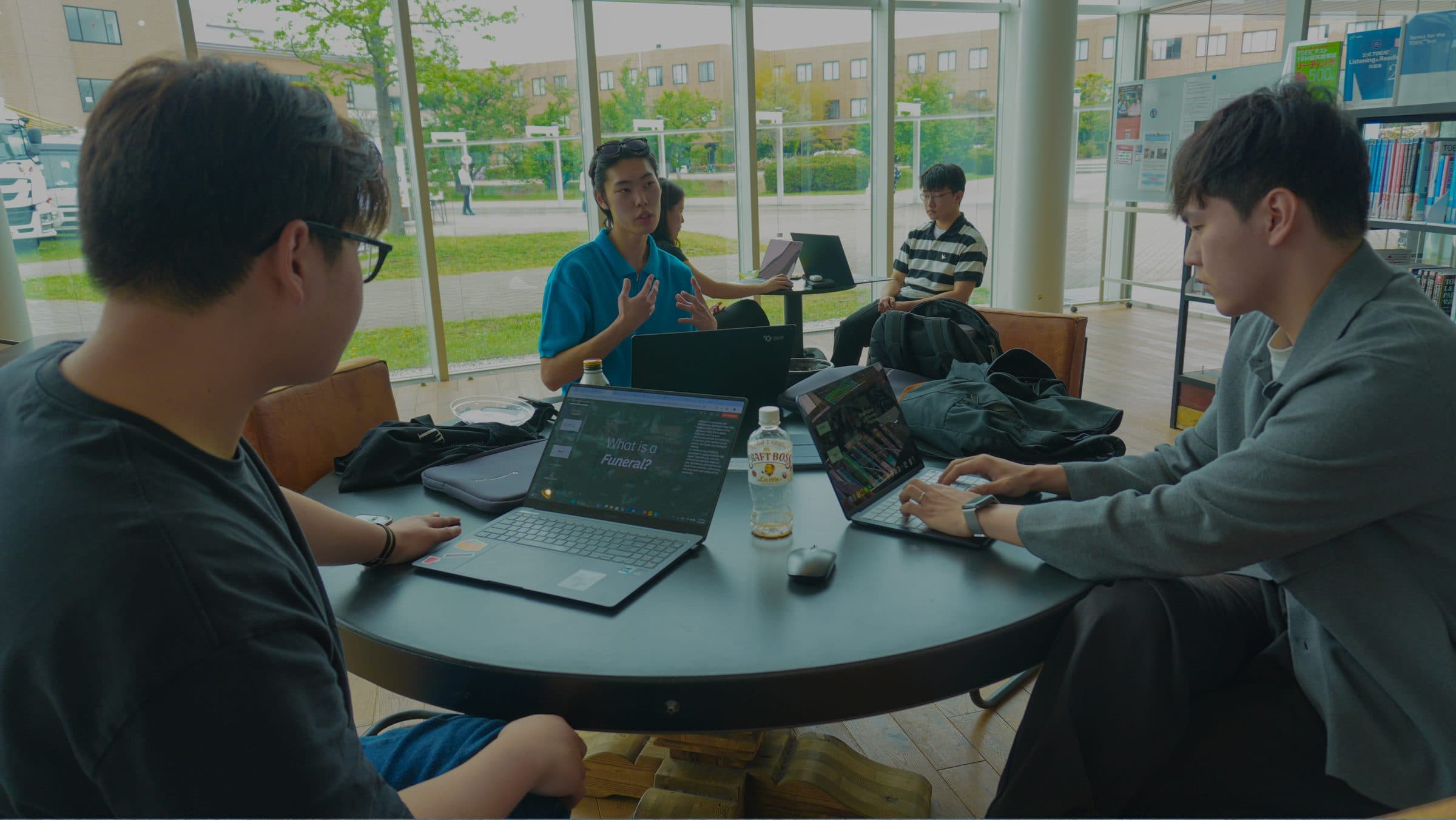
Exploring a range of topics tailored to each city's unique characteristics
Forming a team of 1 to 3 students & Choosing a project topic
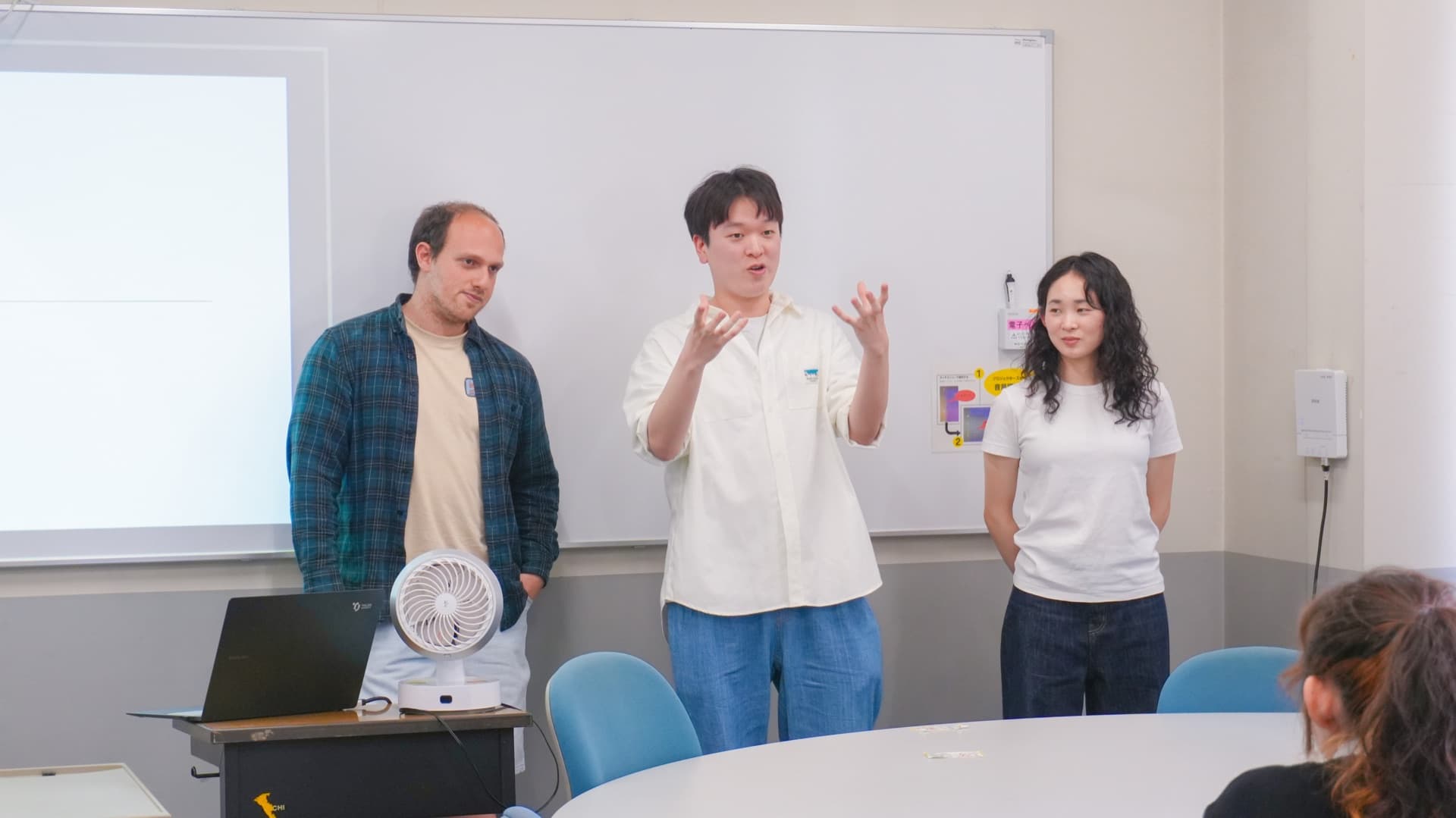
Developing a project plan and presenting it to others
Working on your project through bi-weekly Work Log assignment and meetings with supervising professor
Sharing your team’s findings through final presentations
Final Feedback and submitting final deliverables
Course Schedule
| Week | Expected Activities |
|---|---|
| 1 |
|
| 2 |
|
| 3 |
|
| 4 |
|
| 5 |
|
| 6 |
|
| 7 |
|
| Week | Expected Activities |
|---|---|
| 8 |
|
| 9 |
|
| 10 |
|
| 11 |
|
| 12 |
|
| 13 |
|
| 14 |
|
| 15 |
|
* 2 Credits · Pass/Non-Pass
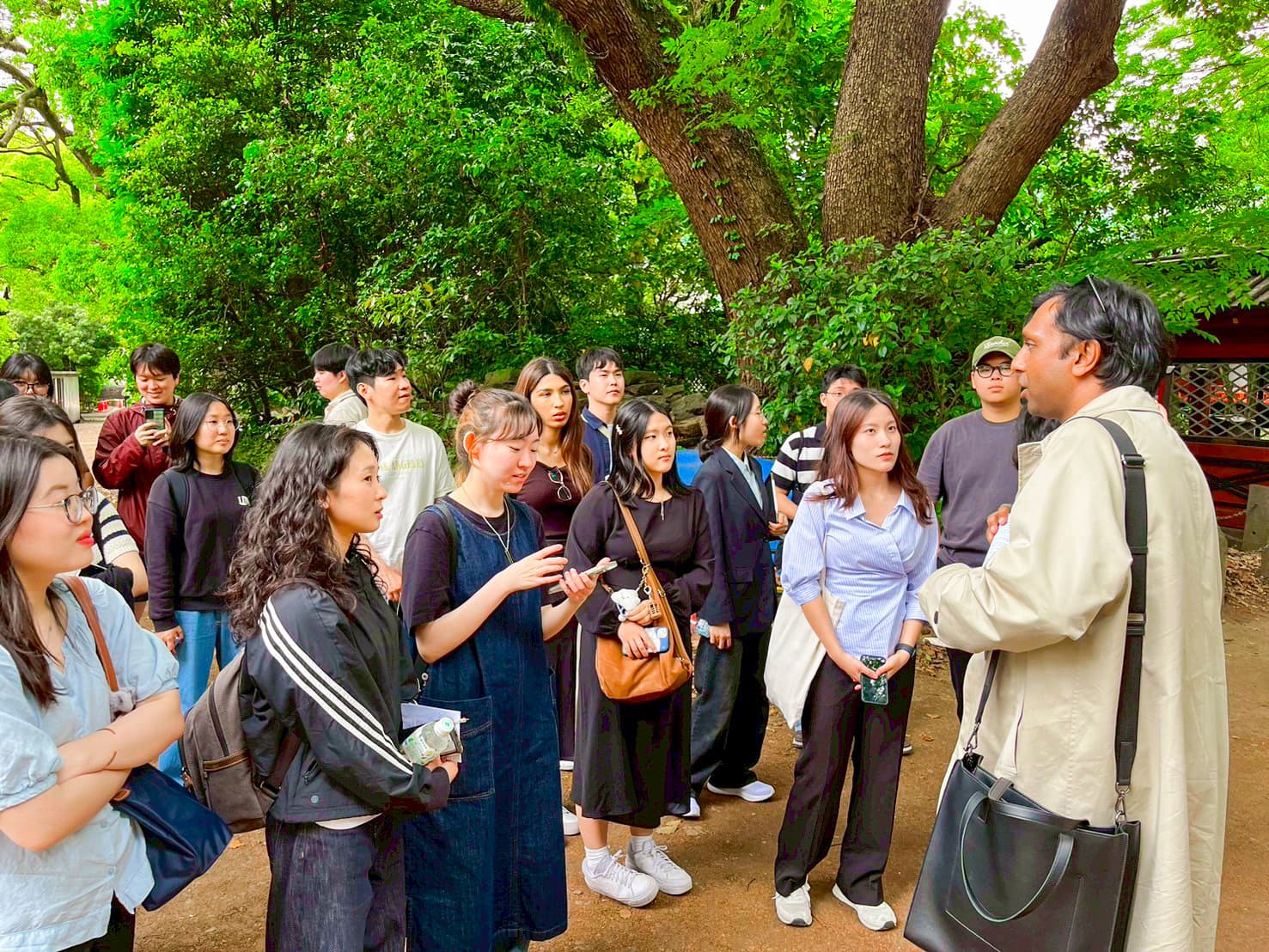
“Not just a trip. Not just a lecture. A structured journey of inquiry.”
LECTURE
- · Online lectures
- · Assigned readings
- · Guest expert talks
- · Seminar discussions
- · Reading responses
STUDY TOUR
- · Field visits to key sites
- · Student-led presentations
- · On-site lectures & discussions
- · Small group activities
- · Reflection essays
Combining academic preparation with immersive field experience
* 2 Credits · Pass/Non-Pass
The Educational Vision and Philosophy Behind GSE
Four guiding principles at the core of every GSE course
1
An Era of Civilizational Transition
A new era is upon us. A new order is being established. Education itself is transforming — from one-way transmission to two-way, individualized learning.
2
Understanding Communities & Systems
Communities are human creations, formed through agreements between individuals. We must understand how systems evolve — and how people have redesigned them across history.
3
Reading the Future Through the Past
By studying past processes of social change, we learn to anticipate what comes next — and to envision and design the future, not merely react to it.
4
Seeing Beyond the Surface
Students train their ability to look beyond what is visible — to perceive the underlying structures, institutions, and cultural codes that shape how societies act and choose.
How It Works
Five countries. Five themes. One continuous arc of inquiry.
Korea
Theme
Confucianism & Korean Identity
Key Sites
Changdeokgung · Jongmyo · Andong Hahoe · Dosan Seowon
Japan
Theme
The Meiji Restoration & Reform Leadership
Key Sites
Tokyo · Hiroshima · Kyoto · Yokohama
U.S.A.
Theme
Democracy, Power & Capitalism
Key Sites
Philadelphia · Washington D.C. · New York
China
Theme
Order, Rupture & the New Global Order
Key Sites
Beijing · Shanghai · Shenzhen · Hangzhou
Europe
Theme
To be decided
Key Sites
To be decided